
Link to SharonTV Interviews with Candidates
May 5th – 7PM Forum – ZOOM link can be found here: https://lwvss.org
Toben Asklar
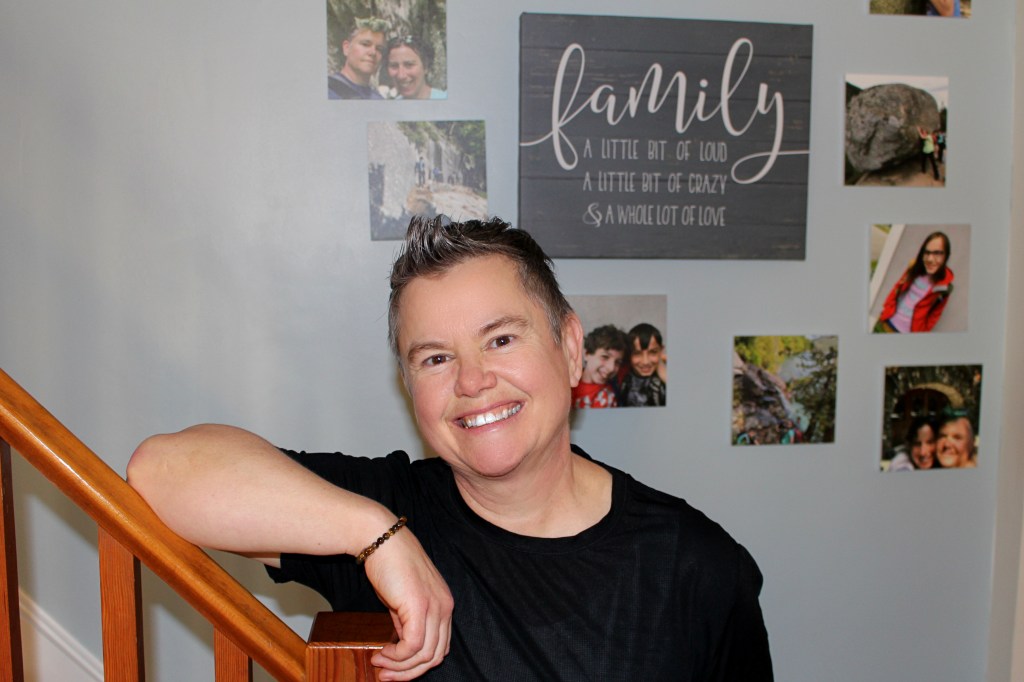
Toben Asklar
What is your personal experience or background with PreK-12th grade public education in Massachusetts?
My journey began with my kids’ attendance at Gilson JCC and Hertz preschools, until one of my children qualified for half-day services at the Early Childhood Center (ECC) at Sharon Middle School. I have hands-on knowledge working with SPS professionals, focusing on the needs of my children and crafting plans for my children’s academic and social emotional success. My experience as a parent navigating Sharon Public Schools for (and with) my kids—with classroom teachers, specialists, with school IEP and 504 teams, with administrators—from the ECC to SHS informs my understanding of students’ access to their public education in Massachusetts.
My work as a public relations/publications professional, adjunct professor, and media liaison has been at educational institutions. I’ve had 15 years of teaching and evaluation experience as a college teacher. During the pandemic in 2020, I created curriculum enrichments for my 2nd graders and 5th grader and ran a summer home camp for my three kids. I headed a learning pod with 3rd graders and 6th graders during the 2020-21 hybrid school year. That personal experience, particularly observing the 3rd grade classroom three times a week, was transformative. I had a front-row seat to the teaching flexibility and excellence involved in keeping elementary school students engaged and learning during that hybrid year.
I have volunteered with the Heights Elementary PTO in the Library, during Mainspring events, and at one book fair. I volunteered during two SMS musicals, Honk and Shrek. I’ve been to open houses and countless school events over the more than 11 years we’ve been Sharonites. I am immersed in my kids’ education and invested in the success of Sharon students, teachers, and our Sharon Public Schools.”
In your opinion, what are the hallmarks of a “good school district”? How do you measure if a school district is deemed “good”?
Hallmarks of a “good” school district include academic rigor that assures students’ college or post-graduation aspirations, an efficient and high-functioning special education team, extracurricular options for a diverse student body (athletics, music, theater, visual art, STEAM clubs, languages, cultural clubs, etc.) delivered at all levels of learning. A good school district is one where students are safe in classrooms and during unstructured times, where they have access to excellent curricular materials that represent their diversity, where they can engage with learning and grapple with difficult concepts individually and in larger groups because teachers create safe classrooms. Teachers are supported with professional development, materials they need, and class sizes that give them space to work with each student to that student’s strengths. A good school district meets the social emotional needs of the students and the physical needs of the students, in tandem with their academic work. A good school district sees quality food service, sustainable environmental practices, and clean facilities accessible to all students.
Some measures of a “good school district” include: updated quality curriculum, test scores, attendance rates, graduation rates, teacher-student ratio, average classroom learning hours, goals met on IEPs, variety of classes offered (including advanced coursework), class enrollment/completion numbers, school climate and safety data, student engagement (based on teacher-led feedback gathered from students), educator engagement (based on administrator-led feedback from teachers), peer school comparisons, year-to-year comparisons of improvements in Sharon Public Schools.”
If elected to School Committee, what would be your top priorities in the upcoming school year?
1. My first priority is student academic success and access, student safety and belonging, and student social emotional well being. My focus on policy, my evaluation of the superintendent, my involvement in budget, in contract negotiations —all of this work will have this student-centered filter.
2. Budget transparency and process: Provide as transparent a look at the budget as we can and give some forewarning of possible areas where shortfall is likely, and where belt-tightening may be directed. Discussions and actions around creative solutions (added fees, possible contributions from FAME, SEF, PTOs, businesses), and the limitations of application for each one of those solutions.
3. Efficiency, empathy, and education in my role. Making sure I am productive in open meetings, that I do my homework in reviewing and understanding materials and community input provided before meetings; that I approach discussions with empathy and respect; and that I utilize brevity in my own responses/contributions to move meetings forward to give space to listen to others’ contributions.
4. Diversity, Equity, Inclusion, and Belonging. Given our diverse district and our district goals, I will be seeking reports and metrics about our growth achieving our goals. I will look to participate in trainings to help our School Committee improve in these areas.
Describe what you think a collaborative working relationship with district stakeholders (e.g. parents, educators, students) looks like.
I see the School Committee as having a very specific oversight role, as an executive board of the school district. I would expect that we all have shared goals and ask how our work impacts all students. What I’ve observed and appreciate about the function of School Committee meetings is a clear agenda, with reasonable scope and time, and professional presentations about the particular business at hand. I would expect to hear from parents in correspondence and in Open Forum about issues of concern that they would like to make the School Committee aware of. I would also want to hear what educators, administrators, and students want to communicate either through representatives of those groups (eg. superintendent, student rep) or directly. Often, it is easier to operate in open meetings if one knows before, so I would hope that the district packets give me background materials to review so I can be as effective a team member as possible in those ways. I hope that I will be approachable and relatable in the spaces between meetings, viewing the workings of the schools on occasion to stay in touch with the realities of our teachers and students’ daily realities, whether those are struggles or celebrations.
Sharon is home to a very diverse public school district. The district is working on moving past just the celebration of diversity and toward creating a culture of inclusivity and belonging for all students, families, and educators. In your words, please explain the difference between “equality” and “equity” in a diverse public school system.
Equality in a diverse public school system means every student gets the exact same education, delivered in the same way. Equity in a diverse public school system means every student gets their education delivered in a way that is most accessible and appropriate for them, so that they can achieve their greatest academic potential. Equity allows for flexibility in teacher delivery and in student output—so that all students can reach the highest curricular goals of their level of schooling.
What questions do you have for the educators in our district?
What do you see as the role of the Sharon School Committee and how can it help you achieve your best teaching? What, if any, are places that the School Committee might hinder your work?
Knowing the incredible work you do with our students in the classroom, to what extent do you have time or will to partner with administration or School Committee members to seek grant-funding opportunities?
Lauren Grasso
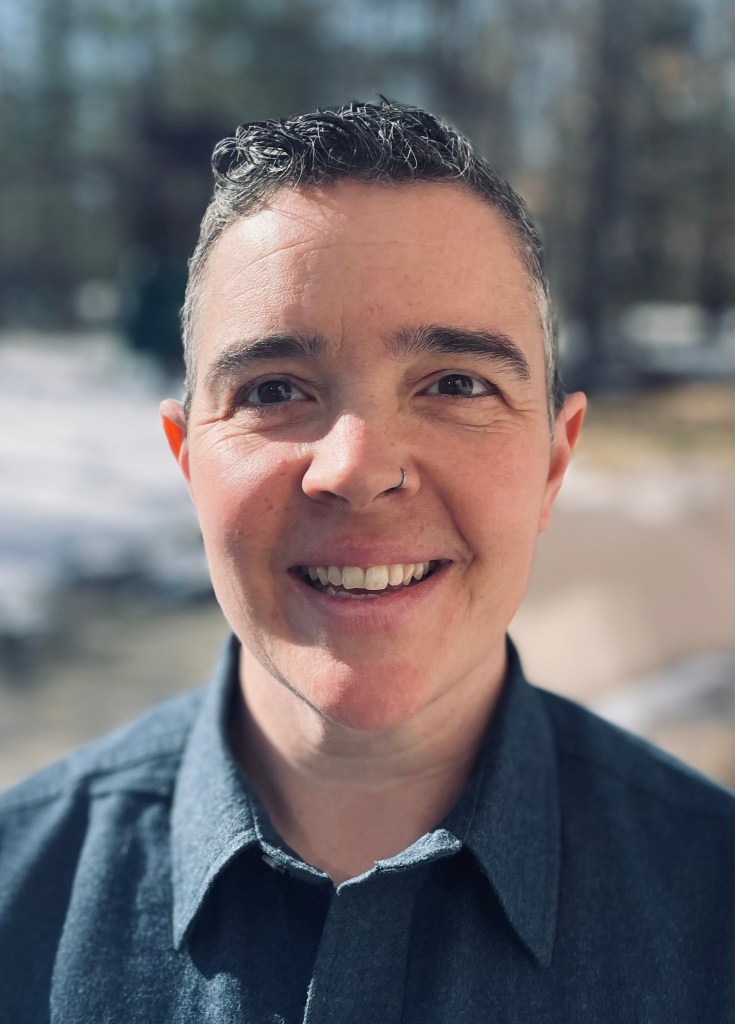
Lauren Grasso
What is your personal experience or background with PreK-12th grade public education in Massachusetts?
While attending the University of Massachusetts Amherst, I began my professional career working with students in residential programs and therapeutic day schools. After graduating, I worked as a special educator at Amherst Regional High School.
Later, with my clinical degree in social work from Simmons College, I stepped back into the field as a community based therapist in Boston Public Schools. I was able to support and empower parents to better understand services, effectively communicate with teachers and administrators, and to advocate for their children. I also conducted client sessions at school, allowing me to see how students were navigating their academic setting and creating a direct line of communication with their teachers.
As a parent I have navigated both the Stoughton and Sharon public school systems for the past forteen years. This has included being a volunteer, attending conferences and school events, and partnering with the schools to develop IEPs and 504s.
In your opinion, what are the hallmarks of a “good school district”? How do you measure if a school district is deemed “good”?
The concept of a “good school district” is often linked to school rankings. Although school rankings are useful measures that can provide valuable information on the district, I tend to exercise caution around this reporting because it doesn’t tell the whole story. I think it is important to incorporate multiple measures when evaluating a district’s quality in order to get a more complete picture. Equity, college/workforce readiness, school culture, student participation, and sense of belonging are key markers to me. Although a high quality curriculum might be seen as a standalone hallmark, I believe it needs to be delivered in tandem with strong teacher support targeting differentiated and responsive instruction. In an excellent district, all students are provided attainable challenges, allowing for both struggle and success within the curriculum resulting in deep learning.
If elected to School Committee, what would be your top priorities in the upcoming school year?
I hope to build strong public transparency in school committee meetings. Offering the community a more comprehensive understanding will require greater collaboration between committee members, as well as more requests for clarification from Dr. Botello when necessary.
Uplifting the voices of Sharon is a priority to me, and I will aim to amplify voices that are less heard. I will model and support the committee in moving towards deep listening, greater validation, and seeking a genuine understanding of people’s experiences. Connecting with the stakeholders of Sharon will be a top priority to me.
I want to see this beautifully diverse community woven into the fabric of our schools. Representation matters. If students have a space that reflects their presence with pride, overtime we could see a true sense of belonging emerge in our buildings and beyond. Connection and inclusion have the ability to strengthen student engagement, which has been shown to have a positive impact on school performance.
Describe what you think a collaborative working relationship with district stakeholders (e.g. parents, educators, students) looks like.
I believe collaborative working relationships are built on a strong foundation of trust. Trust results from the practice of mutual respect overtime. Strong communication is vital, including active listening. Multiple channels of communication should be easily available to the public for providing transparent and current information. I see tremendous value in receiving feedback. Stakeholder’s ability to offer feedback should not be limited and I will work to remain open and responsive to this feedback. I hold an appreciation for community involvement and believe that many voices create a clearer picture of our needs and values.
Sharon is home to a very diverse public school district. The district is working on moving past just the celebration of diversity and toward creating a culture of inclusivity and belonging for all students, families, and educators. In your words, please explain the difference between “equality” and “equity” in a diverse public school system.
Equality in a diverse public school system means all students are given the same access to resources and opportunities for achievement. Though this may sound like a fair approach, it completely disregards the diversity of needs among students. Equity aims for the needs of all students to be met. This requires that each student has access to the resources and opportunities necessary to reach optimal outcomes in their educational settings.
What questions do you have for the educators in our district?
What would make you feel more valued in your current position?
What more could the district be doing to support you in further developing as an educator?
What keeps you motivated?
Where do you see opportunity gaps for students in the Sharon Public Schools?
Jeremy Kay

Jeremy Kay
What is your personal experience or background with PreK-12th grade public education in Massachusetts?
I grew up in Sharon and attended Cottage Street School, Sharon Middle School, and Sharon High School. I have fond memories of my education in the town and am happy to see that many of the teachers are still teaching today. It has been a pleasure to catch up with a couple of them, both current and former, since moving back to town.
In your opinion, what are the hallmarks of a “good school district”? How do you measure if a school district is deemed “good”?
It is very difficult to attach a measure to what constitutes a good district. Although a lot of stock is put in newspaper rankings, I don’t regard them as very significant. In my view, there are three components to a good district: a positive learning environment and school culture, favorable feedback from parents, and successful student placement into colleges.
If elected to School Committee, what would be your top priorities in the upcoming school year?
My primary focus would be creating a more robust and structured budgeting process with check points over the couple of months leading up the budget proposal. My goal in doing this is to make better decisions by dedicating time to them, improve our ability to plan ahead and allow for more time for community and educator input. There was a serious lack of educator input or even communication to educators in this last extremely compressed budget process where the budget was developed over the weekend. Teachers and other staff should have been included in recommending where cuts would do the least harm. Even more importantly, I felt a lot of empathy for the educators who were blinded during the meeting, learning for the first time that not only were their jobs at risk, but that they would be lost.
Describe what you think a collaborative working relationship with district stakeholders (e.g. parents, educators, students) looks like.
I think more focused time for collaboration is critical. I would love to see sub-committees composed of multiple stakeholders play a larger role and bring refined proposals to the school committee. By including more people and giving them time to focus on an issue, we can make better decisions. I think it’s also critical to stick with your commitments and not make commitments that you cannot keep. Leading up to this last budget cycle, the school committee was planning on spending money they did not receive and were warned they would not receive by the town Finance Director. A collaborative relationship is built on a foundation of trust – both in the people involved and their ability to deliver their commitments.
Sharon is home to a very diverse public school district. The district is working on moving past just the celebration of diversity and toward creating a culture of inclusivity and belonging for all students, families, and educators. In your words, please explain the difference between “equality” and “equity” in a diverse public school system.
Equality is about treating everyone the same, equity is about providing individuals with what they need to have equal access to success, acknowledging that needs and experiences can vary greatly among students.
What questions do you have for the educators in our district?
What can I do to help? I’ve heard that communication has been a challenge, but would love to hear more.
Allen Motenko

Allen Motenko
What is your personal experience or background with PreK-12th grade public education in Massachusetts?
I was born in Sharon, went to The Early Childhood Center, East Elementary, SMS, and graduated from Sharon High School in 2002.
While extracurricular activities and school work were my focus, I was also the kid who religiously started watching school committee meetings freshman year and served as student representative to the School Committee for the 2001-2002 year. In those days, the student rep. was able to sit at the table for the entire meeting & given the opportunity to weigh in on most topics at every meeting. It gave me a profound understanding of not only our school district, but also how a School Committee functions when it is functioning well. It is more transparent, allows for greater public comment, and irons out more differences in public than the current School Committee and School Administration have chosen to be.
As the only person in this race to go through at least 14 years of Special Education as a student in Sharon, I know how challenging it can be to get the entire IEP team on the same page, much less the IEP team and the family/student.
At the same time, I have directly benefitted from how tirelessly classroom teachers and special education teachers work together to support the success and growth of their students.
As someone who spent nearly twenty years as a part-time college admissions counselor at Suffolk University, I have read upwards of 10,000 undergraduate applications. I have a strong understanding of what colleges and universities look for in evaluating each high school student’s academic record and what that means our district must do to help our students remain competitive at all higher education institutions.
For example, every student in Sharon benefits when SHS is seen as having the most rigorous honors and AP curriculum because strength of curriculum is a significant differentiating factor among college applicants.
I know too that the Sharon High School guidance counselors write some of the most thorough college recommendation letters in the country because I’ve seen it first hand.
In your opinion, what are the hallmarks of a “good school district”? How do you measure if a school district is deemed “good”?
First, let’s separate what makes a district “good” for a teacher versus a student.
In 25 years of following the Sharon School Committee, I don’t believe it has ever properly, publicly embraced its role as an employer.
To me, this means that not enough attention has been paid to job satisfaction, work climate, opportunities for professional development and advancement. Also, is the district doing all that we can/should be doing to recruit, retain, and develop the most qualified, engaging, and diverse educators?
Like all employees, I am sure educators value stable leadership in management, and want to know that their management team is savvy, supportive, accountable, and sets a positive tone.
The School Committee has a role to play in all of this in terms of engaging with the STA about the workplace environment, budgeting for professional development, insisting on HR best practices, and can influence the hiring/retaining/removing of leadership.
Ultimately, if good teachers are not able to bring their professional best to work, then we are not a “good district”.
In terms of students, I have personal opinions about what makes a school district great; I’d hope that you agree with most of those principles, but as educational experts, I recognize that you may have a different view. As such, if elected, I would certainly want to engage with the STA on this question as it relates to budgeting and policy decisions.
Relative to students, here’s what I think makes a good district:
We know that students learn best in smaller class sizes; students learn best when they have differentiated forms of instruction; students learn best when taught by teachers who are not only highly trained, but also engaging, creative, and adaptable.
We know that students need, and often want, academic rigor as they move through their academic career; and we must ensure that the Sharon Public Schools offers a breadth and depth of Honors and AP classes in middle and high school that allows students to achieve to their fullest potential.
We must provide the services, supports, and reasonable accommodations that students with disabilities need to not only be successful, but to be successful in the least-restrictive and least-separate environment possible. And, we must do better at ensuring that parents and students do not feel as though they have to continually fight the district for the educational services that they know will allow the student to be most successful.
We must be a school district that welcomes and appreciates the feedback and engagement of parents, the experience and wisdom of community members, and the voices and opinions of students; while also remembering that we must recruit, retain, and offer professional development to the best teachers and then let them teach.
We must be a district that stresses the importance of ethics, accountability, responsibility, effort, kindness, empathy, inclusivity, and equal opportunity for all students. And we must remain vigilant against antisemitism and all other forms of discrimination.
Lastly, we must have a School Committee that models professionalism and collegiality, and collaborative behavior even when disagreeing strongly with one another on topics of substance.
If elected to School Committee, what would be your top priorities in the upcoming school year?
1. Engaging, listening and learning from stakeholders across the District. “Seek to understand before being understood.”
2. I believe it is important to include SSEPAC, which is a subcommittee of the school committee, periodically in meetings to get their perspective. I think we need to be more transparent with our performance relative to our success measures concerning Special Education.
3. I want to support the efforts of our new Diversity Officer by providing her with the opportunity to present monthly and then quarterly to the School Committee on her activities and strategy to establish clearer Equal Educational/Employment Opportunity policies, as it relates to discrimination, harassment, and retaliation among students and staff.
4. In light of what I believe will be a significant budget shortfall in FY’26, I’d like to see the School Committee begin to engage stakeholders – including the STA – on potential reductions (or rationale for an override – depending on how conversations go) in September.
5. I would like to see the School Committee modify its procedure to allow time-limited public comment before votes on policy, practices, and budget.
Describe what you think a collaborative working relationship with district stakeholders (e.g. parents, educators, students) looks like.
I think collaboration is built foremost on having a personal connection. This means before we can talk business, we need to establish some level of rapport and understanding about one another that is not just “all business”.
Additionally, I think collaboration is established based on how you treat people. So, when you treat people with respect, actively listen, offer empathy and patience, act ethically and honestly, and are humble enough to admit when you’re wrong, effective collaboration and trust is more likely to develop.
Finally, I think collaboration requires a School Committee member to be available and approachable; to see their role as one in which they must never tell a stakeholder that they’ve come to the wrong place, but rather to direct them to the right place after fully hearing them out.
Sharon is home to a very diverse public school district. The district is working on moving past just the celebration of diversity and toward creating a culture of inclusivity and belonging for all students, families, and educators. In your words, please explain the difference between “equality” and “equity” in a diverse public school system.
As someone who has spent a 15 year career (and counting) working on issues of diversity, equity, and inclusion in the public sector, I understand that moving beyond diversity and actually achieving a culture of inclusion is exceptionally challenging. It requires the buy-in of not only senior leadership, but the vigilant action of teachers, students, and parents throughout the district on a continuous basis.
To me, the difference between equality and equity in the public school context is the following:
Equality entails treating all students in a consistent, similar manner regardless of their differences, so that no student can say that they were treated unfairly or differently than any other student. This seems like a method to create a level playing field, and in some instances, it can.
However, equity, which also aims to level the playing field, considers the unique circumstances and characteristics of each student. This may result in treating each student uniquely in a given situation, to give each student fair opportunity to demonstrate their skills and abilities. This cannot create a disadvantage or a desired outcome, but rather it puts students at the same starting point and lets their individual talents determine the outcome.
What questions do you have for the educators in our district?
I hope to be able to meet with as many teachers as possible before the election, and if elected, afterwards too.
What do you think is working well in your classroom?
What do you think is working well in your school?
What do you think is working well in the district?
What challenges do you face in the classroom?
What challenges do you face in the building?
What challenges do you face in the district?
How would you rate the overall climate of your school?
What are areas you’d like to see the School Committee focus on?
How do you define effective collaboration with the School Committee?
Are there specific concerns or positive feedback that you have concerning Special Education Services?
Do you feel supported by your principal?
Do you feel supported by the Superintendent?
If a genie gave you one “wish” to improve your experience as a teacher and/or the district, what would your wish be?
Do you feel safe at work?
Do you believe the vast majority of students feel safe at school?
How do you feel about the curriculum you use?
Do you feel you have adequate opportunities for Professional Development?
Would you recommend teaching in the SPS to your friends/colleagues?
When the STA spoke at the last budget meeting and encouraged the school committee to save administrator positions throughout the district – even though they were trying to save STA positions – what would you have proposed for budget cuts instead? At least for FY’25, an override was not an option.
Daniel Newman

Daniel Newman
What is your personal experience or background with PreK-12th grade public education in Massachusetts?
I have a special appreciation for the hard work of teachers and administrators. My entire family are public school teachers, including my parents, my brother, and my wife. My mother was an art and elementary school teacher. My father was an English and history teacher and was principal of Attleboro High School. I was a substitute teacher and summer school teacher during college. My brother is a math and science teacher in Massachusetts. My wife has developed a reading and writing curriculum for Learning Without Tears, has taught public school, and has a doctorate in education. We have three children in Sharon. I’m an elected school council representative and PTO member at Cottage Elementary. I also run a parent newsletter in Sharon.
In your opinion, what are the hallmarks of a “good school district”? How do you measure if a school district is deemed “good”?
A good school district inspires and challenges its students. It teaches students valuable skills in subjects like math, science, writing, art, languages, sports, and music. Good school districts differentiate instruction to meet the needs of all learners. Students in good school districts read a variety of literature from authors of diverse backgrounds and perspectives. Parents in good school districts support their children’s teachers and invest in their public schools. In a good school district, all staff and students feel safe, included, and respected.
If elected to School Committee, what would be your top priorities in the upcoming school year?
School Committee should prioritize teacher positions and instructional programs in Sharon’s schools. Each year, Sharon should conduct a full and transparent budget prioritization. School Committee should rely on recommendations from knowledgeable staff to inform the budget. A district like Sharon that values education should not be charging families for basic services like kindergarten. School Committee should invest in school staff with professional development. We should also explore enrolling Sharon in The Education Cooperative.
Describe what you think a collaborative working relationship with district stakeholders (e.g. parents, educators, students) looks like.
The primary stakeholders of Sharon’s schools are parents, students, teachers, and administrators. Other important stakeholders include Sharon taxpayers, our school councils, PTOs, and a variety of community organizations. School Committee should never make decisions without stakeholder input. The Sharon Teachers Association is an excellent resource for information about our schools and recommendations. A professional, well-run School Committee partners with our teachers union, the administration, and other committees in town to make our schools successful.
Sharon is home to a very diverse public school district. The district is working on moving past just the celebration of diversity and toward creating a culture of inclusivity and belonging for all students, families, and educators. In your words, please explain the difference between “equality” and “equity” in a diverse public school system.
Equity generally means students receive the individual support they need. Equality can alternatively mean equal access or equal application of rules. A successful school district applies standards consistently while also meeting the individual needs of its staff and diverse learners.
What questions do you have for the educators in our district?
I look forward to working with the Sharon Teacher Association and hearing more from you about how School Committee can support our excellent teachers.
Veronica Wiseman

Veronica Wiseman
What is your personal experience or background with PreK-12th grade public education in Massachusetts?
Twenty-six years ago, I married Howard Wiseman (SHS Class of 1977), and we settled in Sharon because of its diversity, natural beauty and great schools. When our eldest daughter Giovanna started kindergarten at Heights Elementary in 2006, I followed behind the bus on her first day and never left. I soon crossed paths with many of you through my volunteer service in support of the PTSO’s. Most importantly, I’ve spent ten of the past twelve years on the Sharon School Committee working productively with five superintendents. I have built relationships of trust with the leadership of the Massachusetts Association of School Committees and METCO HQ. In my role on the SC, I have tried to use my vote to elevate and support our dedicated educators and professional staff. Over these years I have learned so much from all of you.
In your opinion, what are the hallmarks of a “good school district”? How do you measure if a school district is deemed “good”?
For me a “good school district” is a place where educators are supported and empowered to create and maintain stimulating and safe learning environments for kids. That leads to academic success in my view. Of course I value those metrics that schools are typically judged on (i.e. MCAS scores, AP class percentages and graduation rates), but as a parent I felt the most gratitude to those teachers who really “got” my kids, and who made learning challenging and exciting. So the quality of the teaching is the whole ball game. To maintain that quality, the onus is on the district to ensure that the culture in our schools supports professional development for teachers, enabling them to be at their best and to deliver high quality learning experiences which are accessible to all students. In my experience, the professional educators in Sharon have – and continue to – operate at very high standards, despite the tremendous challenges in public education today.
If elected to School Committee, what would be your top priorities in the upcoming school year?
Our budget constraints always present the toughest challenges, and those are on my mind for sure. We made cuts to some building leadership positions and added back fees for full day K. Both were incredibly painful cuts, but we did so to preserve instructional positions and maintain acceptable class sizes. It always comes down to priorities, but I know the restoration of those positions, and figuring out a way to restore free full day K, would be top of the list. I have always been process oriented, and as an experienced member of the school committee I have tried to make sure we maintain clarity around our role as SC members. What we are responsible for and frankly, what we are not. That remains a priority. I also greatly value student voices at the table, and have been honored to serve as the SC liaison to the Student Advisors, a role that I would love to continue next year.
Describe what you think a collaborative working relationship with district stakeholders (e.g. parents, educators, students) looks like.
An effective and responsive school committee depends on strong collaboration with community stakeholders. This starts with clarity in our posted meeting schedule and agendas, so folks have ample notice of what issues are up for discussion, followed by the opportunity for public comment at meetings and via email. Often, community surveys are important so we can reach those who may not typically be engaged. I am a traditionalist, and therefore do not interact with constituents on social media. Instead I work to maintain the concept of the open meeting boundaries, so the SC and the community have a forum to hash out important issues together so all can contribute. Once all stakeholders have been heard, the responsibility for decision making rests with the voting members of the SC. If the process has been responsive to stakeholder input, our seven member committee should be able to reach consensus and make thoughtful, respectful decisions.
Sharon is home to a very diverse public school district. The district is working on moving past just the celebration of diversity and toward creating a culture of inclusivity and belonging for all students, families, and educators. In your words, please explain the difference between “equality” and “equity” in a diverse public school system.
We know that despite all kiddos having an equal right to a public education, our current systems and structures do not always provide all kids equitable access to that education. In Sharon we have really just begun to carefully examine those barriers that result in these inequities. It has not been easy. We know we all come to the table from our own experiences and have our own unique perspectives. Our biases are hardwired. Sometimes – often – we can’t see or feel them. When they are pointed out, it can be very hard to own them. But we must help one another to do so, so real change can happen. Equity work is hard, and it takes time. Rather than diluting academic rigor, as some fear, true equity work dissolves barriers to access, so that more students can succeed more of the time.
What questions do you have for the educators in our district?
Can you identify any barriers that, if lifted, would improve your working relationship with the school committee?
Thank you for these questions, and for your commitment to our children. Kind regards, Veronica Wiseman
 Sharon Teachers Association